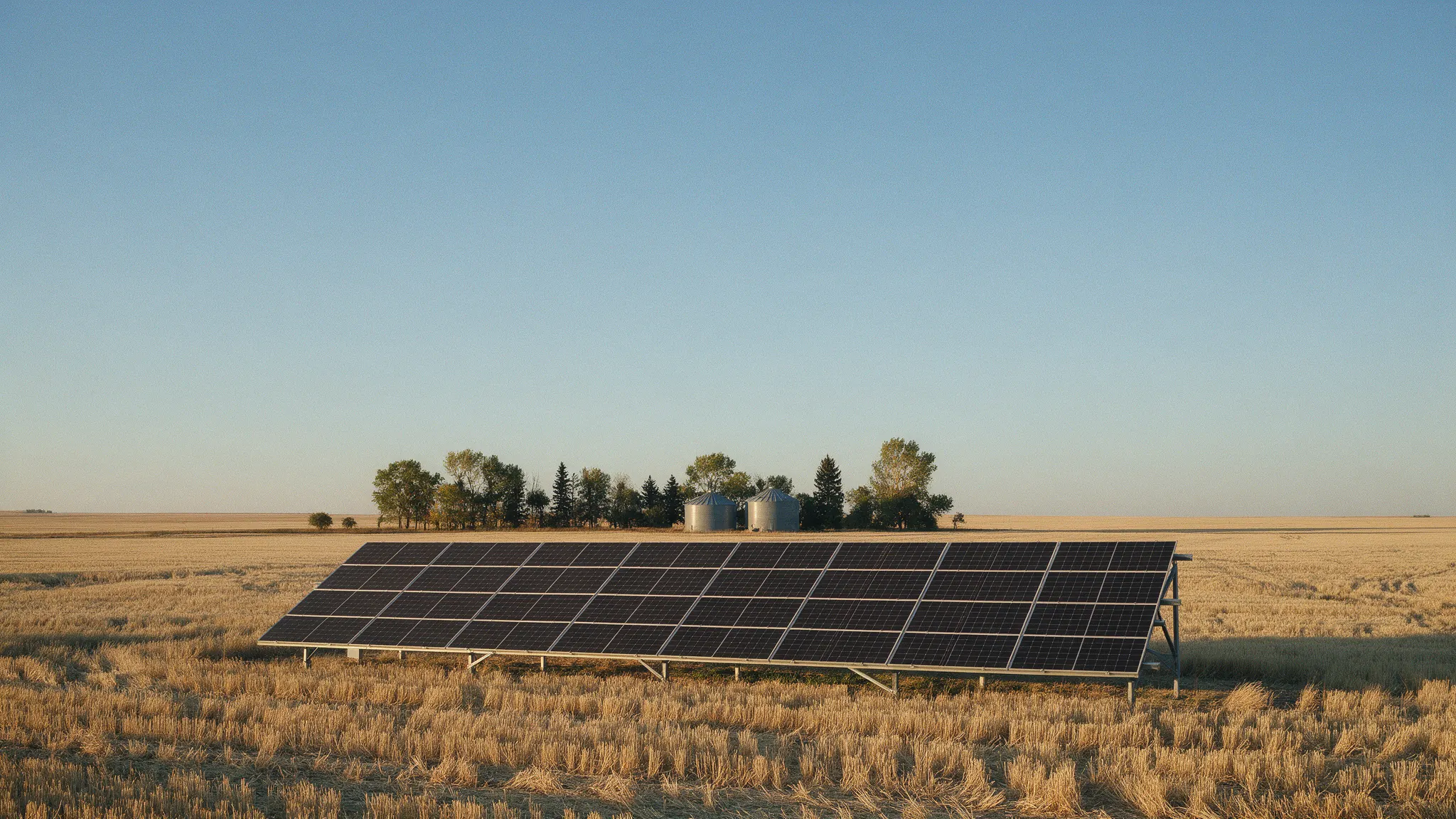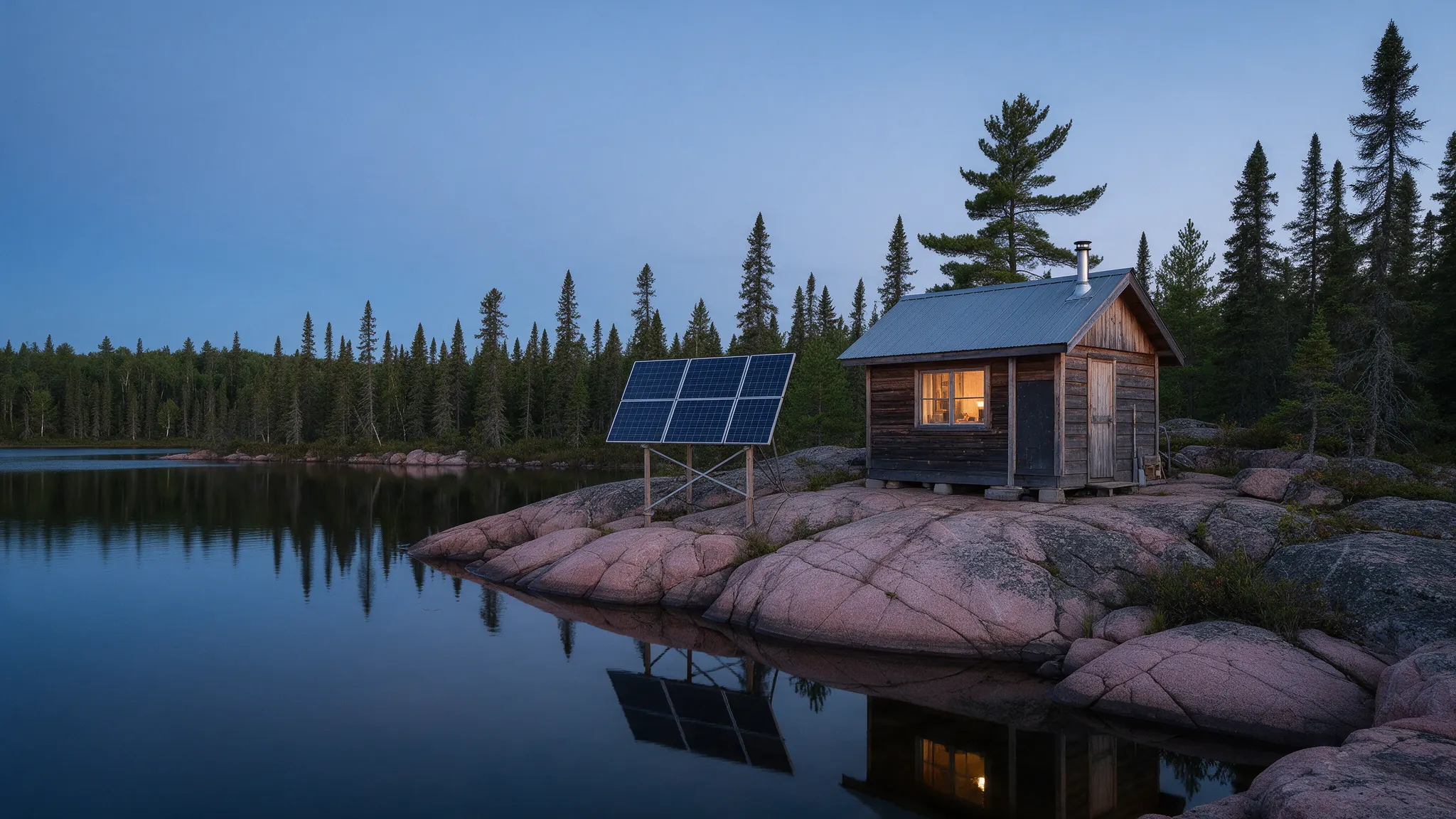
With no utility behind you, an off-grid system has to supply every load in every season. That makes planning the most important part of the job, and planning starts with a list.
Step 1: list your loads
Write down every appliance, pump, light and tool, how much power it draws, how many hours a day it runs, and in which seasons. A cabin used only in summer and a home lived in year-round need very different systems.
Step 2: decide on autonomy
Autonomy is how long the system should run without sun before the generator starts. More days of autonomy means a bigger battery bank and higher cost, but fewer generator hours.
Step 3: size the battery bank and array together
The battery bank covers nights and cloudy days; the array has to refill it, including in the short days of winter. The two are sized together, along with an inverter-charger that can handle your largest loads.
Step 4: plan for heat separately
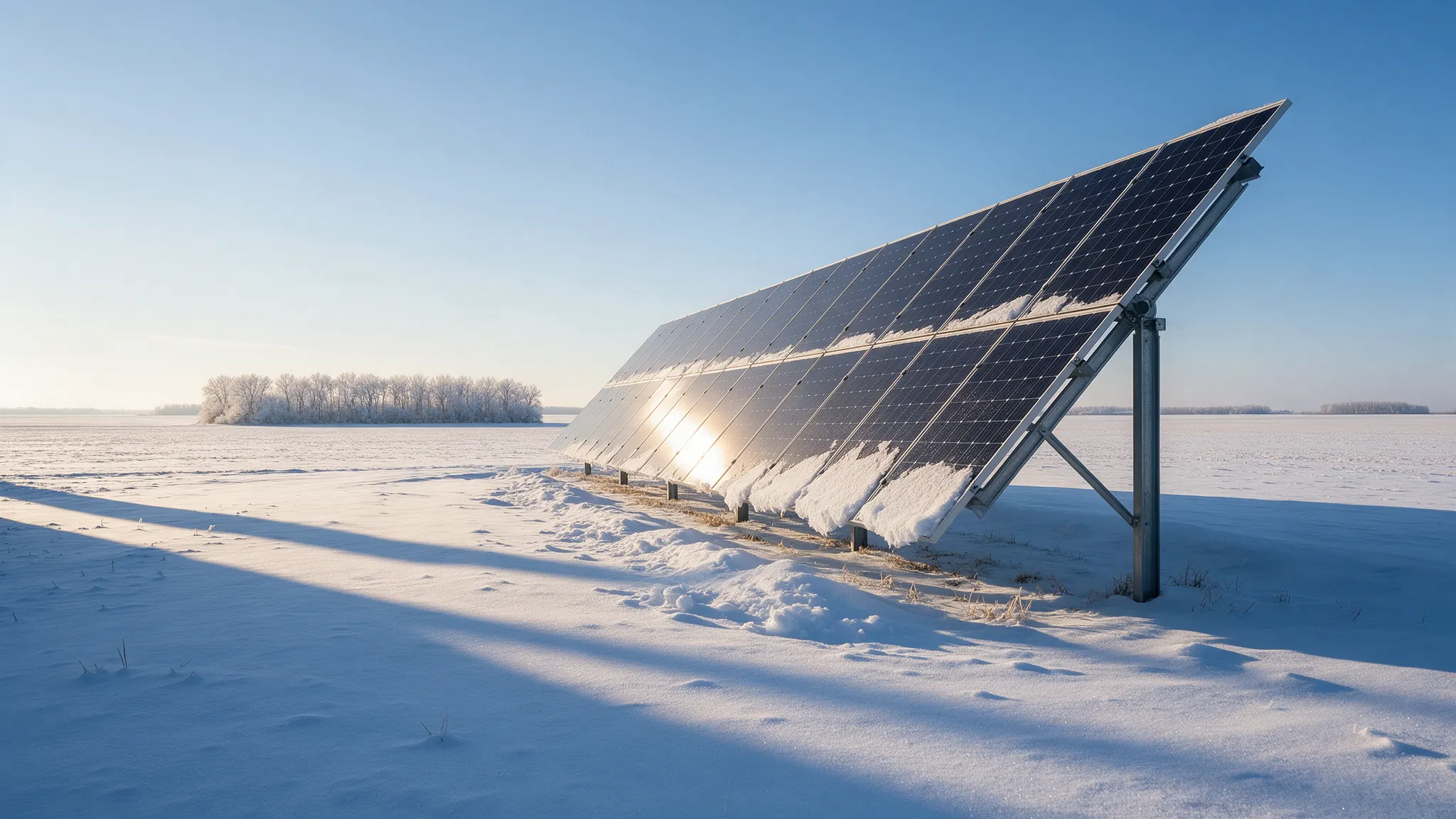
Solar electric systems can’t supply enough energy to heat a home through a Manitoba winter. Heat comes from a wood boiler, heat pump, solar thermal or gas, and the electrical system is designed around whichever you choose.
Step 5: plan the generator
For year-round use, a generator covers long cloudy stretches. Propane, natural gas or diesel units can be integrated so the system calls on them only when the batteries need help.
Step 6: leave room to grow
Many off-grid systems start small, because of budget or because the building is still growing. Choosing components that make expansion straightforward avoids replacing equipment later.
Already have a system?
Older systems often fail on batteries, charge controllers or wiring that no longer matches how the place is used. We troubleshoot what’s there, tell you what’s worth keeping, and rebuild the rest. See an off-grid replacement.