Battery storage for backup and self-supply.
Keep essential circuits running in an outage, and use more of your own solar at home instead of exporting it for less. For new systems and existing ones.
How a battery system works
A hybrid inverter sits between your panels, your battery and your main panel. During the day, solar powers the house and charges the battery. In the evening, the house draws from the battery. If the battery runs low, the grid fills the gap.
When the grid goes down, the system disconnects from Hydro and keeps your backed-up circuits running from the battery and, in daylight, the panels.
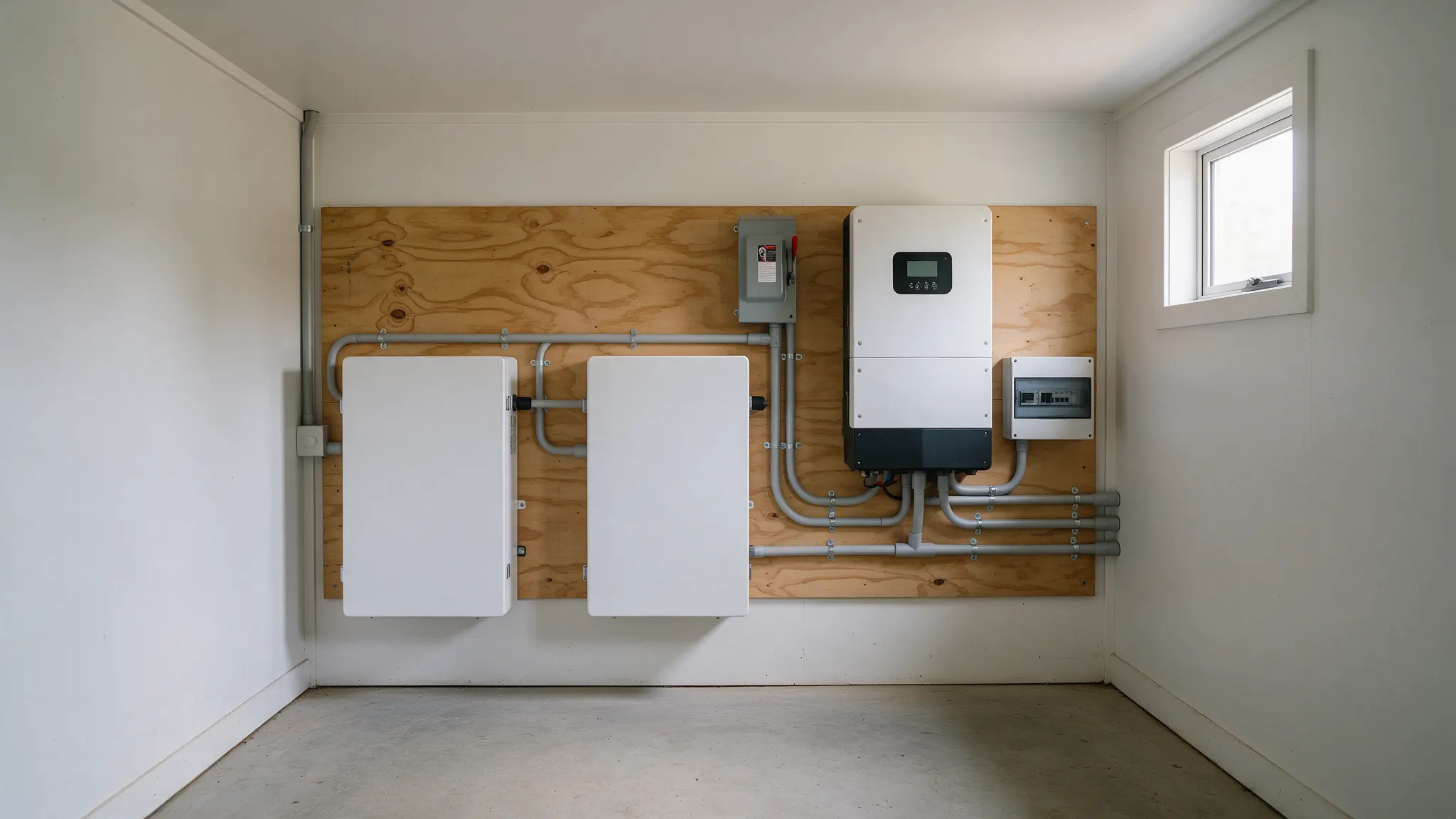
Solar and battery integration
Batteries can go in with a new system or be added later. Adding to an existing system depends on your inverter: some take a battery directly, others need a hybrid inverter.
Because Manitoba Hydro credits exports below retail, power you store and use yourself is worth more than power you send back. Why that matters.
Backup power considerations
Decide what has to keep running before deciding how big the battery is.
Essential circuits
Most homes back up the furnace fan, fridge and freezer, well pump, lights and internet rather than the whole house.
Big loads
Electric ranges, dryers, water heaters and air conditioning drain a battery quickly and are usually left off backup.
Outage length
A few hours and a few days need very different banks. Solar can recharge during longer outages.
Generator pairing
For rural properties, a generator alongside the battery covers long winter outages.
System sizing
What we look at to size a battery bank.
- Loads to back upThe circuits you choose, and how much power they draw together.
- Hours of backupHow long those loads should run without the grid or the sun.
- Daily cyclingWhether the battery will also store solar every day, which favours lithium.
- Location and temperatureWhere the bank can live and stay within its working range.
- Inverter compatibilityWhat your existing or new inverter can charge and discharge.
Choosing a chemistry
Each has trade-offs. A fuller comparison.
| Type | Cost | Maintenance | Lifespan | Best for |
|---|---|---|---|---|
| Lithium | Highest | None | Longest; most efficient charge and discharge | Homes, hybrid systems, daily cycling |
| AGM | Medium | None | Medium | Backup-only systems, moderate budgets |
| Flooded | Lowest | Regular: distilled water, electrolyte checks | Long, if maintained | Off-grid owners comfortable with upkeep |
Can I add batteries to a system I already have?
Often, yes. It depends on your inverter and how the system was wired. We’ll look at what you have and tell you whether it’s a straightforward addition or needs a hybrid inverter.
How long will a battery run my house in an outage?
It depends on the battery size and what you keep running. Most homes back up essential circuits, such as the furnace fan, fridge, well pump, lights and internet, rather than everything. We size the bank to the loads you choose.
Do batteries pay for themselves in Manitoba?
Because Hydro credits exports below retail, storing your own surplus can be worth more than exporting it. But batteries add cost, and with Manitoba’s low rates the main reason to buy one is usually backup and independence rather than savings. We’ll be clear about which applies to you.
Does cold weather affect batteries?
Yes. Cold reduces capacity and can shorten battery life. We choose chemistries and locations, such as a heated utility room, that keep the bank within its working range.
Which battery type is best?
Lithium costs the most but lasts longest and needs no maintenance. AGM is mid-cost and maintenance-free. Flooded lead-acid is cheapest but needs regular watering. The right choice depends on how often you cycle the battery, your budget and where it will live.
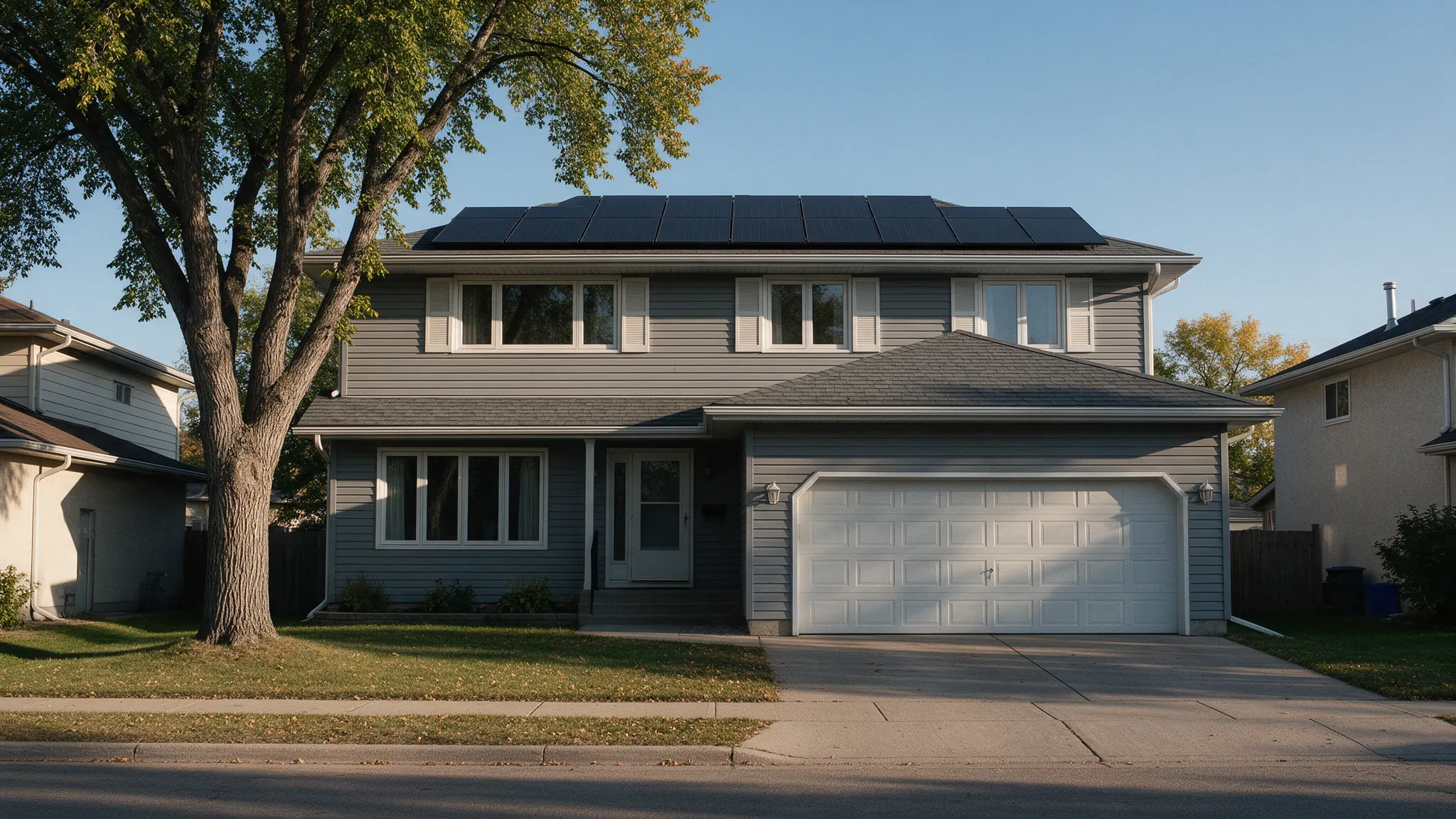
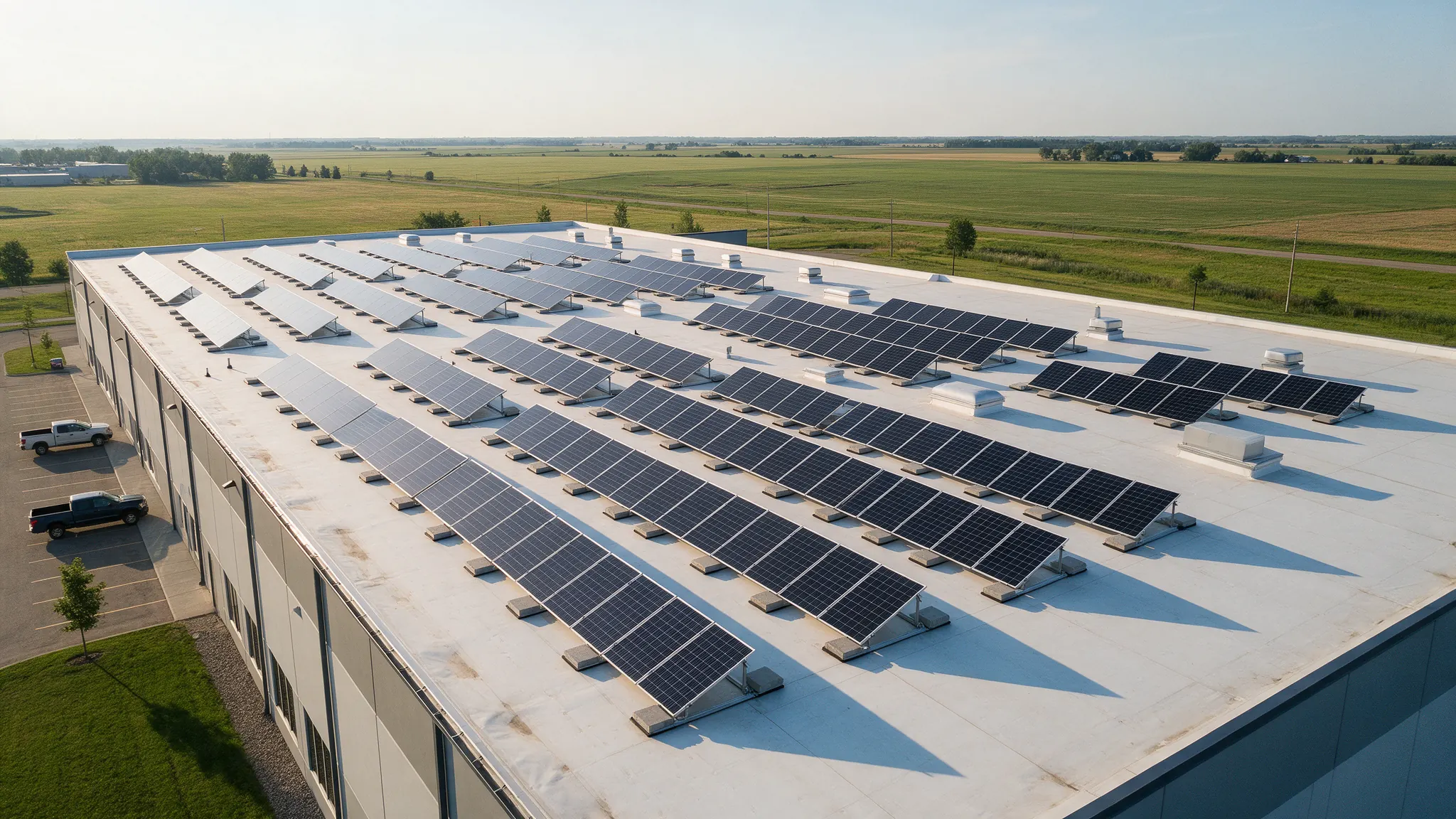
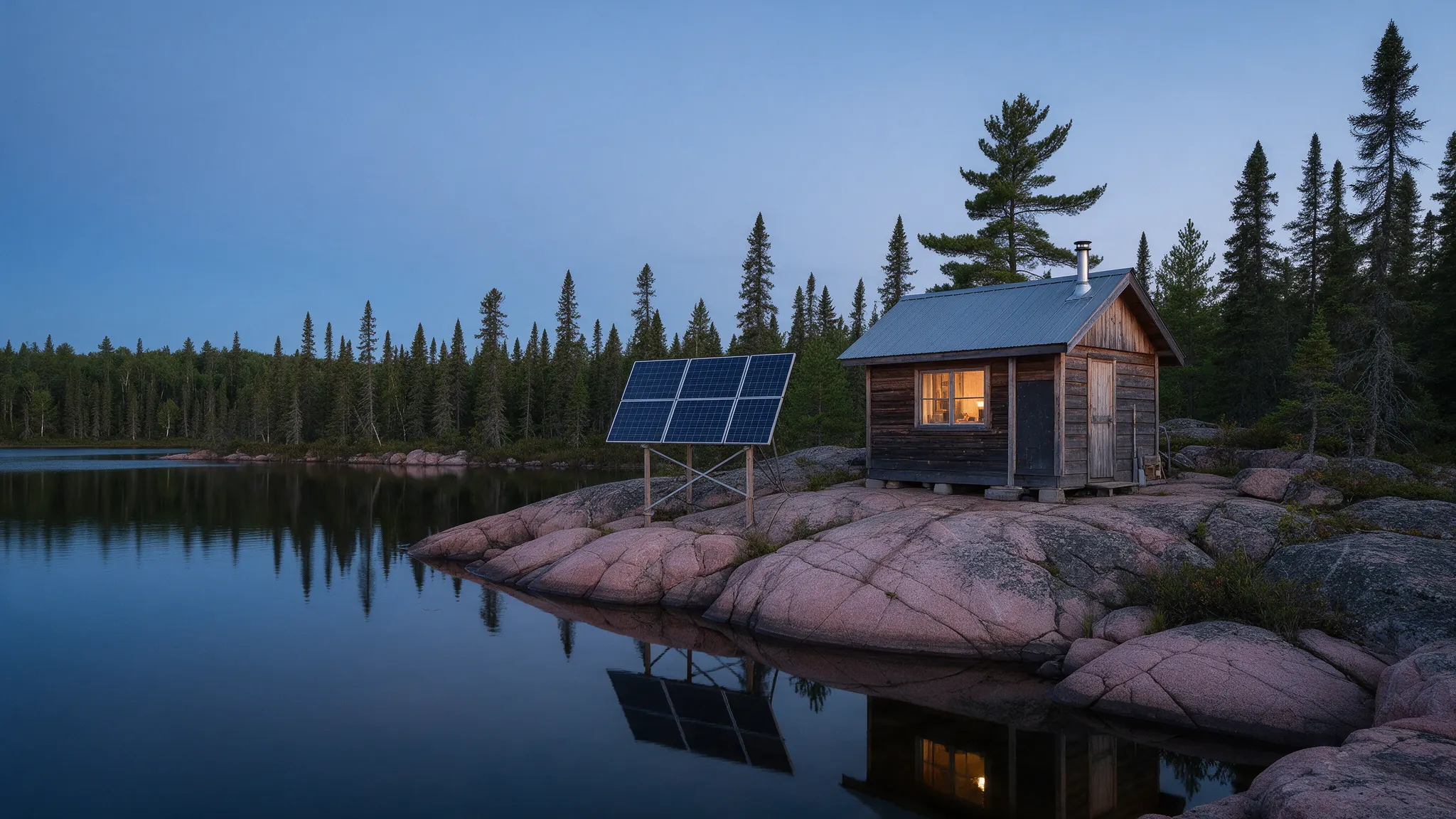
Add backup to a new or existing system.
Tell us what you want to keep running and what system you have now, if any.