Off-grid solar for cottages, cabins and remote sites.
Planned around your real loads, built to expand, and integrated with your heating and generator. Including fixes for systems that have let you down.
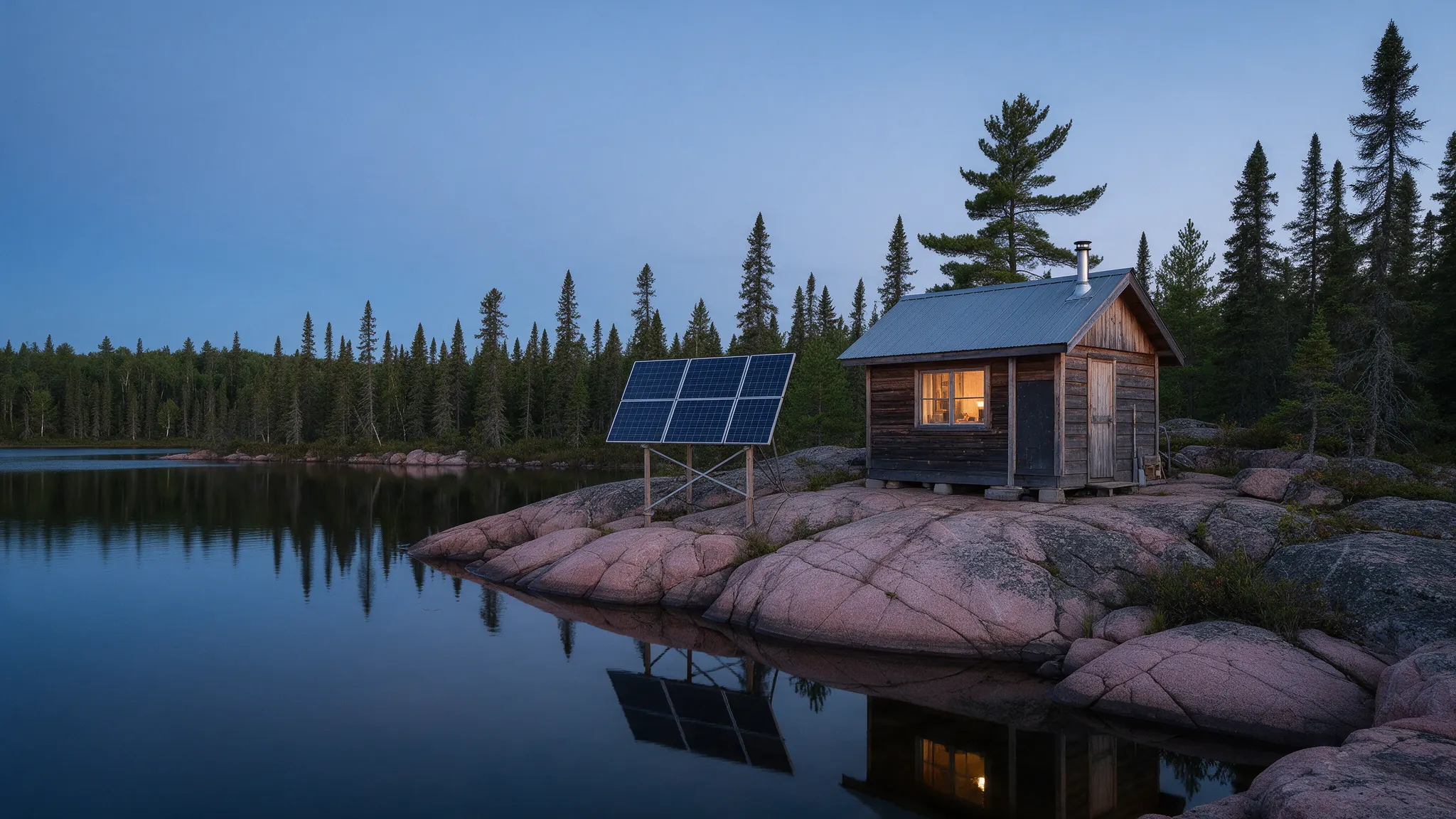
What off-grid means
An off-grid system has no connection to Manitoba Hydro. Everything the property uses comes from the panels, is stored in batteries for night and cloudy days, and is backed up by a generator for long stretches without sun.
Because there’s no grid behind you, the system has to cover every load in every season. That makes planning the most important part of the job. How we plan an off-grid system.
Where it makes sense
When running a new utility line costs too much, or isn’t possible.
Cottages and cabins
Seasonal or year-round, from lights and a fridge to a full household.
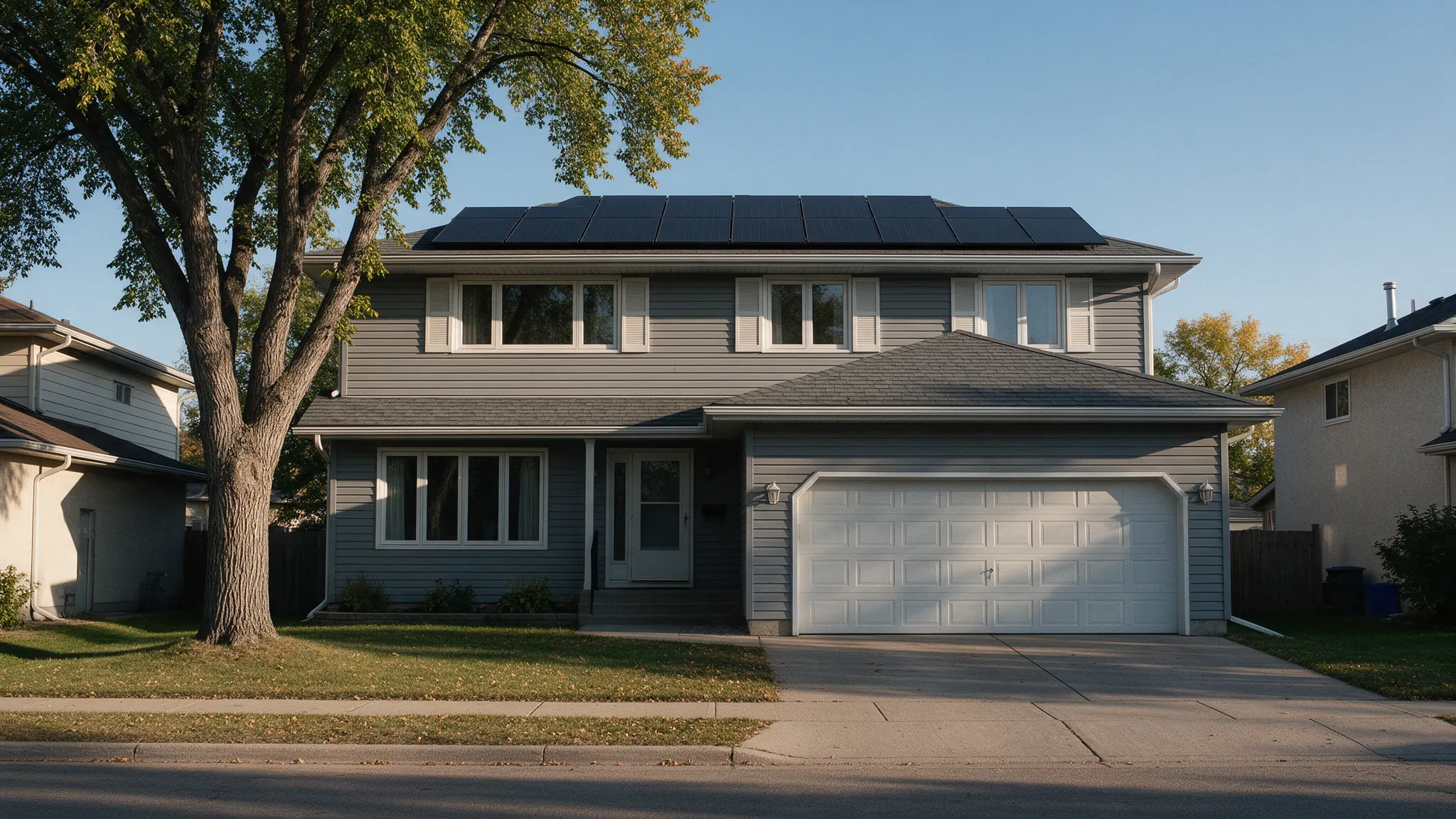
Remote homes and yards
Properties far from an existing Hydro line.
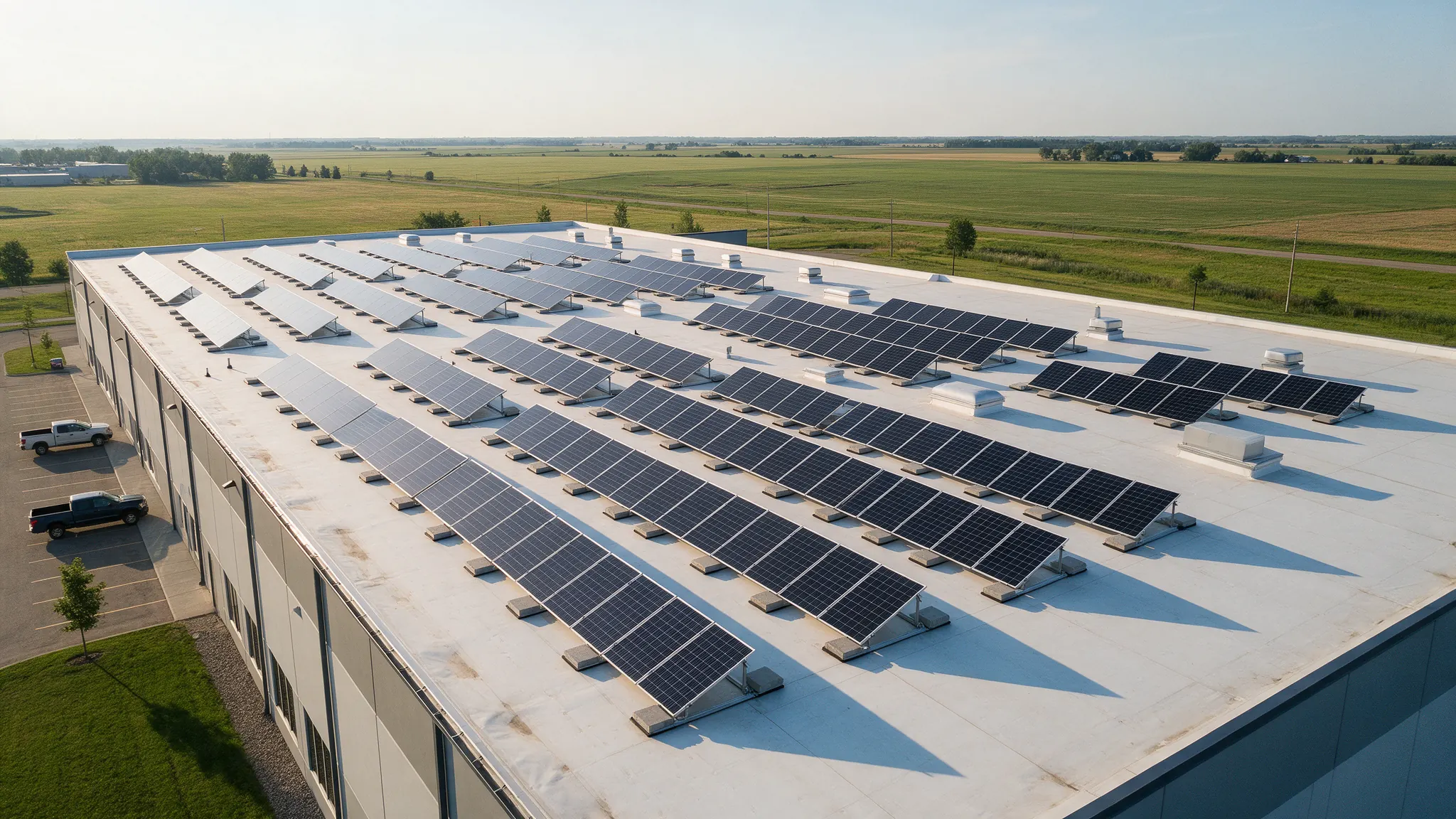
Shops and outbuildings
Power for a building that’s a long way from the main service.
Replacing an old system
Batteries, controllers or wiring that no longer match how the place is used.
System components
Roof, pole or ground mounted, sized for your loads and the short winter days.
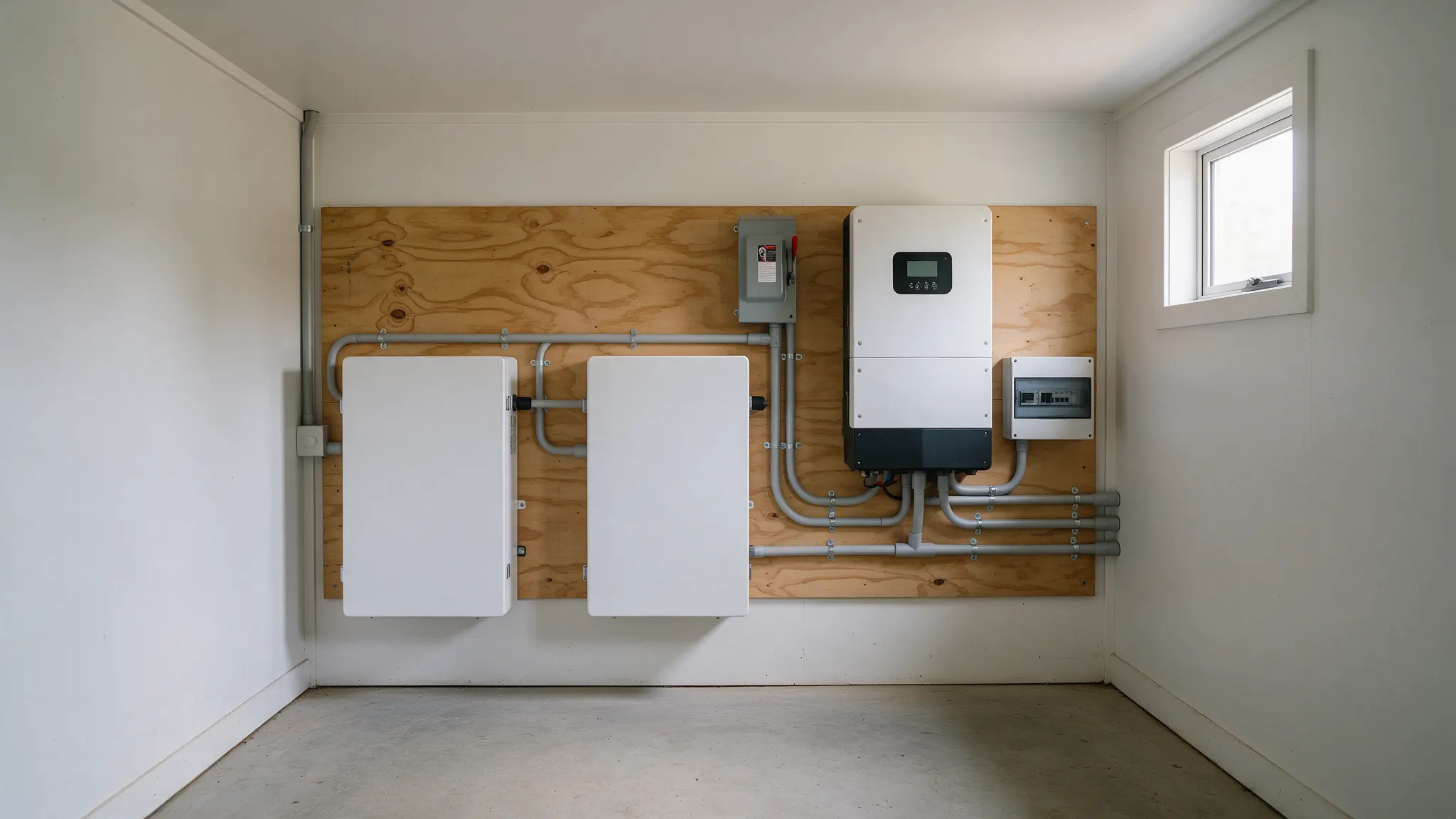
Turns stored power into household power and charges the batteries from solar or the generator.
Lithium, AGM or flooded, sized for the days of autonomy you need and housed to stay warm. Battery storage.
Propane, natural gas or diesel, sized and integrated to start when the batteries need help.
Design considerations
What decides the size and cost of an off-grid system.
Seasonal loads
Winter loads with short days set the size of the array and battery bank.
Days of autonomy
How long the system should run without sun before the generator starts.
Heating
Solar electric can’t heat a cabin through winter. We integrate wood boilers, heat pumps, solar thermal or gas.
Room to grow
Start smaller and add on later, using products that make expansion straightforward.
Battery location
Cold reduces capacity, so where the bank lives matters as much as its size.
Access
Remote sites change how equipment gets in and how service visits work.
“Adam replaced our old off grid solar system after I struggled to find someone knowledgeable that I trusted.”
Beverly Knight, off-grid owner. Read about the job
Installation process
Load list
Every appliance, pump and tool, how often it runs and in which seasons.
Site visit
Where the array, batteries and equipment can go, and what’s already there.
Design
Array, battery bank, inverter-charger and generator sized together, with room to expand.
Install
Installation and wiring by our crew, including integration with your heating and generator.
Hand-over
We show you how the system works and what to watch, so you can run it with confidence.
How do you size an off-grid system?
We list the appliances and equipment you use, how often, and in which seasons. That sets the battery bank, the array and whether you need a generator. An undersized off-grid system leaves you without power, so planning matters more here than anywhere else.
Can solar heat my cabin?
Not on its own. Solar electric systems can’t supply enough energy to heat a home through a Manitoba winter. We help you integrate other heat sources, such as a wood boiler, heat pump, solar thermal or gas, and size the electrical system around them.
Do I need a generator off-grid?
For year-round use, usually yes, to cover long stretches of cloudy winter weather. We design the integration and can help you source and install a propane, natural gas or diesel generator sized to your loads.
Can you fix or expand a system someone else installed?
Yes. We troubleshoot existing systems, replace failing components or whole systems, and design expansions. Many off-grid systems start small and grow, so we use products that make that straightforward.
Which battery type is best?
Lithium costs the most but lasts longest and needs no maintenance. AGM is mid-cost and maintenance-free. Flooded lead-acid is cheapest but needs regular watering. The right choice depends on how often you cycle the battery, your budget and where it will live.
Planning a cabin, cottage or remote site?
Tell us what you need to run and where. If you have an existing system, a photo of the equipment helps.